CARRYING GLOW
Elisa Breyer
10.04–30.05.2026
Galerie Roberta Keil
Breite Gasse 12
1070 Vienna
Seeing other women as competition is not only encouraged, but the default. Being high-maintenance is annoying, being low-maintenance is sloppy, and being fat is a cardinal sin—almost as bad as being a slut. Being a feminist is also an issue, by the way, unless it’s the 8th of March and your boss is seeking your advice for his planned LinkedIn post.
Don’t waste your time worrying about things like feminism, or community care. Nobody would pick up the slack if you were to stop maintaining those connections, but that’s the beauty of free labour! There is an attention economy out there waiting for you! Your desire to heal and buy that Polly Pocket set you had as a child is futile! The 2000s are back, but not like that. We’ve got Regina George from Mean Girls (2004) and Poppy Moore from Wild Child (2008), and you’re gonna like it. The pop culture figures and movie characters that graced the screens in your formative years, the ones you hoped to be like even though they scared you a little bit, now feel like a forlorn younger sister. Don’t you just want to hug her, and also shake her by the shoulders?
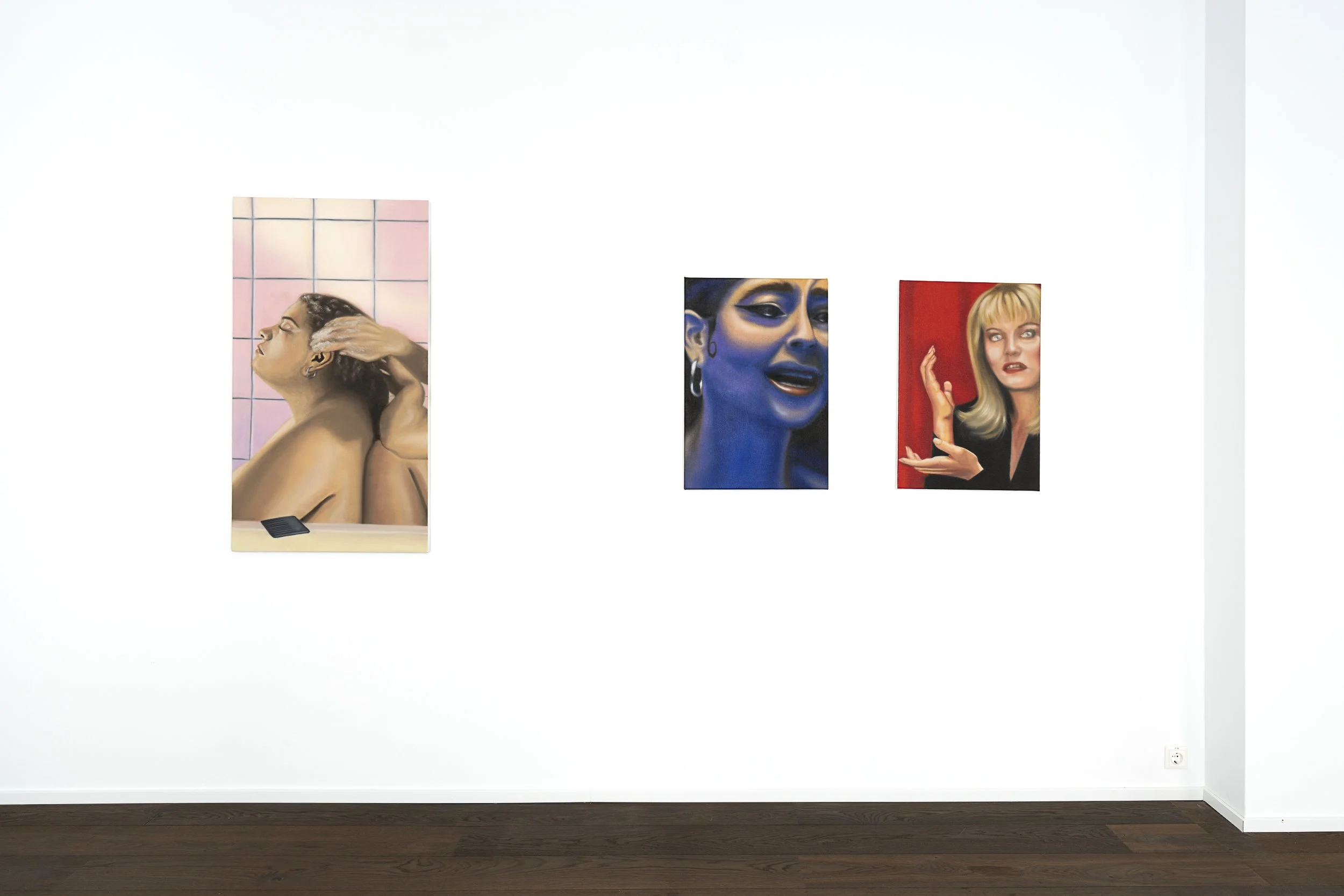
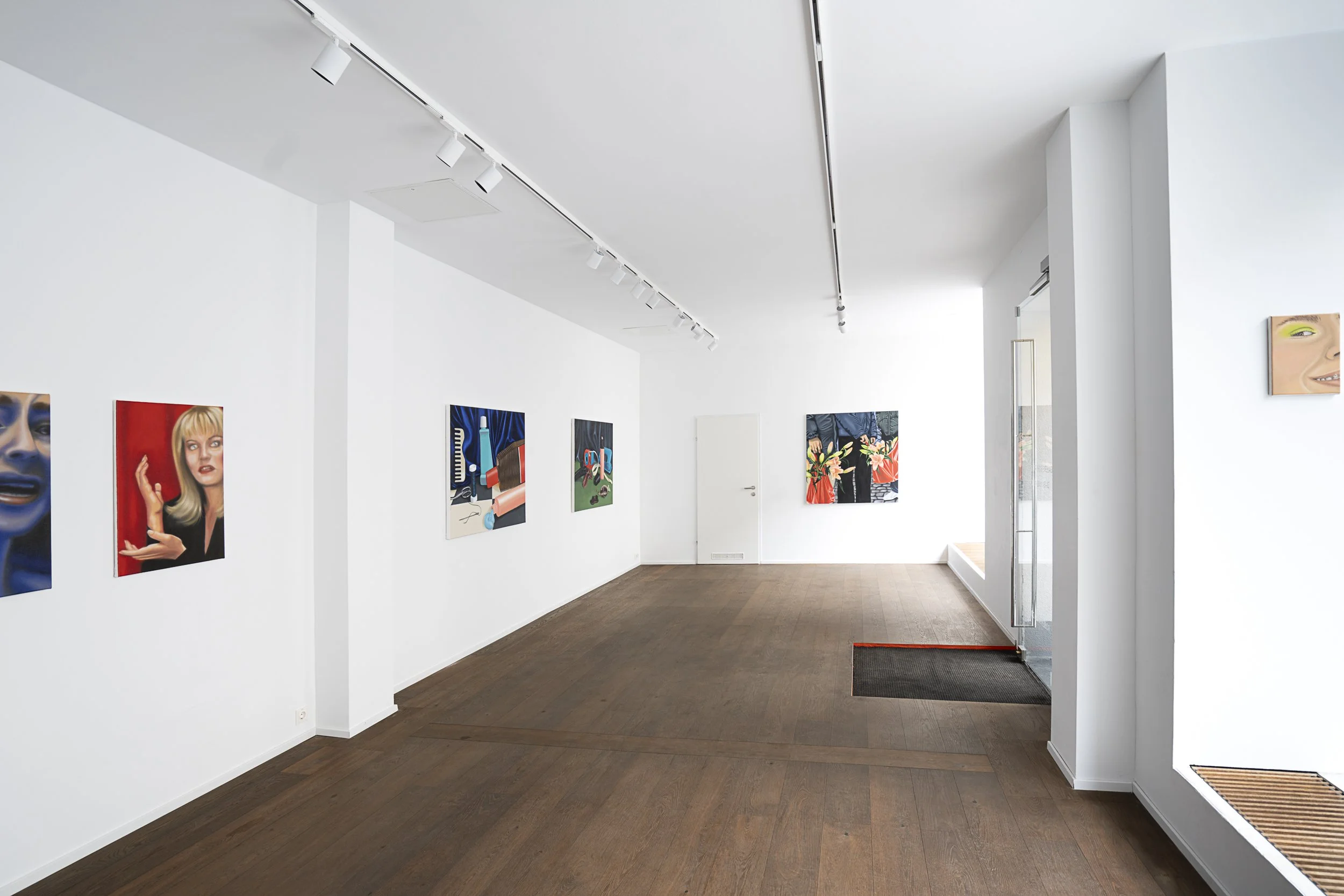
The famous teenagers in Elisa Breyer’s Female Rage series are captured in fits of rage, but can you blame them? We see Regina George from ‘Mean Girls’ (2004), upon finding out her ‘friends’ convinced her that calorie-rich nutrition bars were great for weight loss, Maddy Perez from ‘Euphoria’ (2019 -) when her boyfriend cheats on her with her best friend, as well as the murdered Laura Palmer from Twin Peaks (1990-1991) in the infamous Red Room. Betrayal becomes the common thread here, which we typically accept as a cause of rage–unless of course, it’s young women.
Breyer grapples with the icon status of these figures, on the one hand validating their anger, and on the other, questioning what allowed these characters to become so defining. Much like the sisterhood of Carrie, Samantha, Miranda and Charlotte from ‘Sex and the City’ (1998-2004), revisiting the conditions under which we embraced these figures leads to the conclusion that we’re past that. They would have bullied me into getting a full-body wax I couldn’t afford, yet it feels hard to let them go, and even harder to keep them on their pedestals.
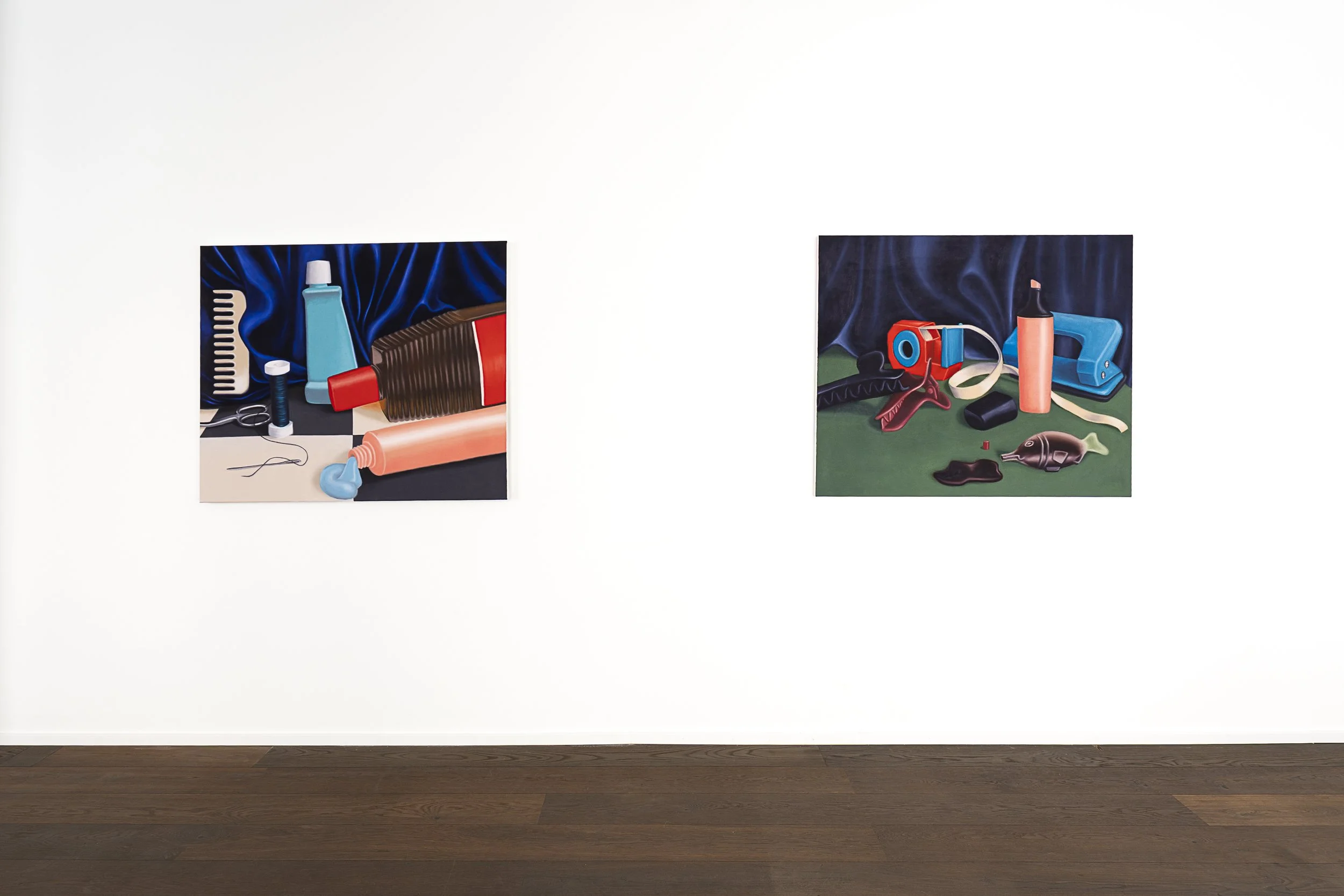
Amongst the rage, there is space for moments of care—‘Dalia in the bath’ or ‘care, not presents’ sneak their way into the show as little moments of repose do in everyday life. It’s no coincidence that these moments are also those shared with others, Dalia’s hair being combed by another, or two people holding one handle of the bag of flowers. Between deciding whether to bend to heteronormative gender roles for opportunities or blow the whole thing up, there are moments where community comes together to ground us. Feeling heard or being treated like a human being goes a long way, some would say. Sharing the mental load, that each FLINTA* carries, with loved ones should replace one of Gary Chapman’s outdated ‘love languages’. In ‘museum of mental load I’ and its accompanying ‘museum of mental load II’, Breyer creates one of her ‘Breyeresque’ still-lifes, fit with juicy, draped fabric and loaded, everyday objects. Their labels being removed does not hide their function, as Breyer choicefully selects recognisable brands and bottle shapes, understanding icon status outside of just celebrities. Stain remover, claw clips and sewing materials lie among a highlighter, hole punch, and tape, and while their labels are gone, the picture is worth a thousand words. That glow that we’re sporting doesn’t come easy.
Mia Butter
Solo Show
-
![CARRYING GLOW, Galerie Roberta Keil]()
CARRYING GLOW, Galerie Roberta Keil
©️ Toska Schwarzäugl
-
![CARRYING GLOW, Galerie Roberta Keil]()
CARRYING GLOW, Galerie Roberta Keil
©️ Toska Schwarzäugl
-
![CARRYING GLOW, Galerie Roberta Keil]()
CARRYING GLOW, Galerie Roberta Keil
©️ Toska Schwarzäugl
-
![CARRYING GLOW, Galerie Roberta Keil]()
CARRYING GLOW, Galerie Roberta Keil
©️ Toska Schwarzäugl
-
![CARRYING GLOW, Galerie Roberta Keil]()
CARRYING GLOW, Galerie Roberta Keil
© Toska Schwarzäugl